Signs You Need a New Roof (and When You Actually Don't)
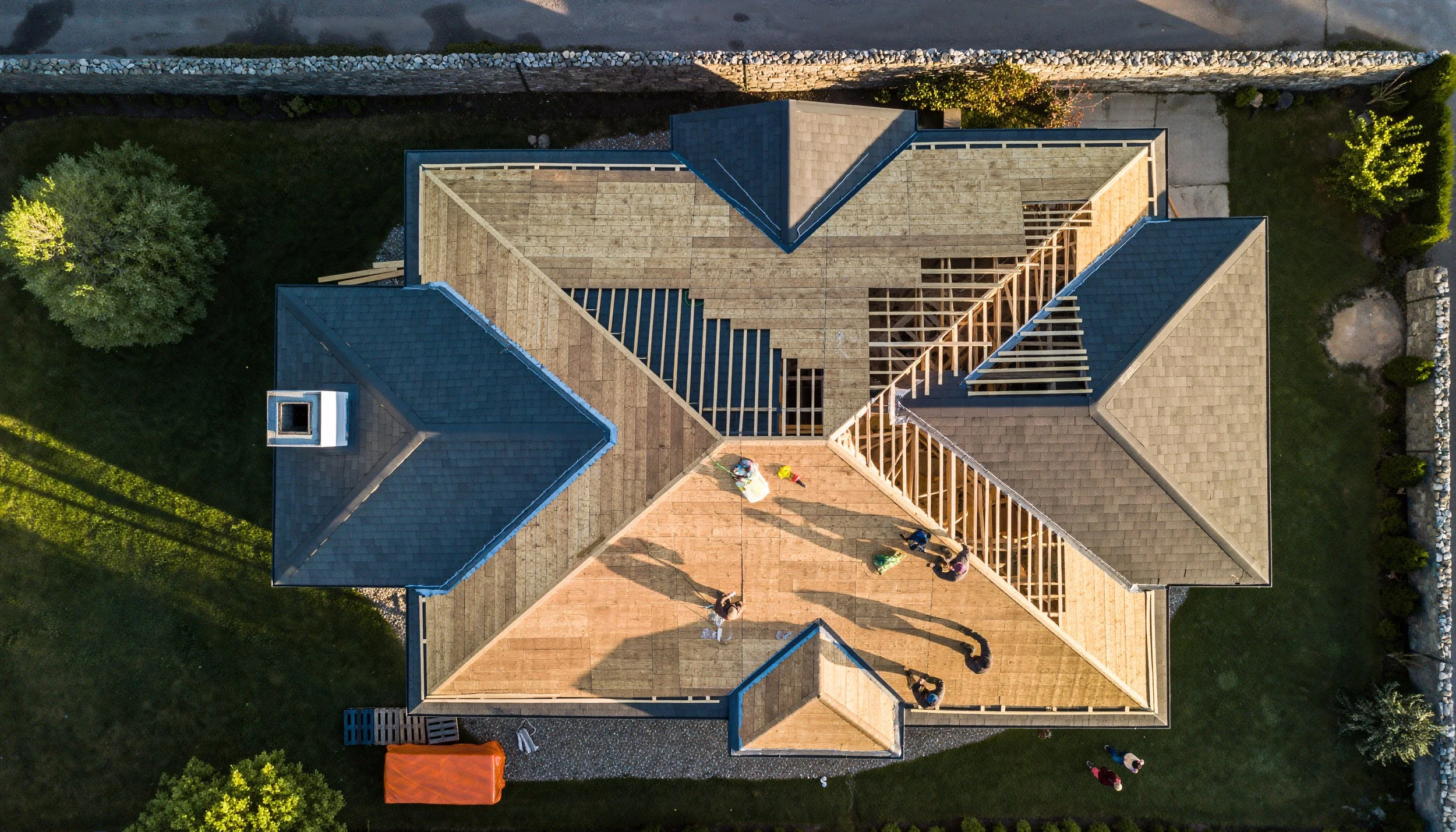
A few damaged shingles do not always mean you need a new roof. In many cases, a focused repair or roof treatment can address the problem.
The key is knowing the difference between an isolated issue and a roofing system that is failing across multiple areas.
Use this guide to check the most common signs you need a new roof, understand what they mean, and decide whether to repair, rejuvenate, or replace.
Check the roof’s age
What it looks like:
You may not see one obvious defect. The roof may simply look worn, faded, or uneven after years of sun, wind, snow, and rain.
What it means:
Most asphalt shingle roofs have a practical service life of roughly 15 to 25 years. The exact life depends on the shingle type, installation quality, ventilation, weather exposure, and maintenance.
Age alone does not automatically mean replacement. A 15-year-old roof with healthy shingles and no leaks may still have useful life. An older roof with several other warning signs may be nearing the end.
Can it wait?
Usually, if the roof is performing well. If the roof is around 20 years old and also has curling, granule loss, leaks, or widespread cracking, schedule an assessment and start planning.
Look for curling, cracking, or missing shingles
What it looks like:
- Shingle edges curling upward
- Shingle tabs that look cupped or wavy
- Cracks across the surface
- Shingles missing after wind
- Bare or uneven areas across a roof slope
What it means:
A few damaged shingles may be repairable. Widespread curling, cracking, or missing shingles usually means the roofing material is losing its ability to shed water.
Curling can also be connected to poor attic ventilation or long-term heat exposure. If the ventilation problem is not corrected, new roofing materials may age faster.
Can it wait?
Do not wait on missing or lifted shingles if rain is expected. A small, traceable area may only need repair. If damage appears across multiple slopes, replacement may be the more practical option.
Check the gutters for granules

What it looks like:
You may notice dark, sand-like material in the gutters, near downspouts, or on the ground around the home. You may also see bald patches on the shingles where the protective granules are missing.
What it means:
Granules help protect asphalt shingles from sunlight and weather. Some loose granules are normal, especially after a roof is installed. Heavy or ongoing granule loss is different.
Large bare areas or widespread granule loss can mean the shingles are wearing out and becoming less resistant to water and UV exposure.
Can it wait?
A small amount of granule loss may only require monitoring. Heavy granule loss, especially on an older roof, deserves an assessment soon.
Check for leaks and water stains
What it looks like:
- Brown or yellow ceiling stains
- Peeling paint or bubbling drywall
- Damp insulation
- Dark marks on attic decking
- Musty odors
- Water trails after rain
What it means:
A single leak does not always mean you need a new roof. The cause could be a damaged shingle, failed flashing, or a problem around a vent or chimney.
Recurring leaks are more concerning. If water appears in different areas, returns after repairs, or is connected to widespread shingle wear, the roof system may be failing.
Water damage can spread beyond the original leak. Address it promptly, even if the roof itself may still be repairable.
Can it wait?
No. A leak should be inspected as soon as possible. The final solution may be a repair, rejuvenation, or replacement depending on the roof’s overall condition.
Watch for sagging or soft spots
What it looks like:
- A dip or sag in the roofline
- Wavy areas visible from the ground
- Soft or springy areas underfoot
- Sagging roof decking visible from the attic
What it means:
Sagging or soft spots can indicate moisture-damaged decking, rot, or a structural issue below the shingles. This is different from normal shingle wear.
Do not walk on a soft roof area. The surface may not safely support weight.
Can it wait?
Treat this as a priority. A sagging area needs professional evaluation before deciding on a repair or full replacement.
Inspect flashing and chimney seals
What it looks like:
Flashing is installed around chimneys, vents, skylights, walls, and roof edges. Watch for rust, gaps, loose sections, cracked sealant, bent metal, or damaged shingles nearby.
What it means:
Flashing often fails before the rest of the roof. A small flashing problem can allow water into the home even when the main field of shingles still looks sound.
Chimney areas deserve special attention because they involve several connections between masonry, metal, sealants, and roofing materials.
Can it wait?
Usually not for long. A localized flashing problem can often be repaired without replacing the entire roof. Schedule the repair before it creates damage inside the home.
Check for moss or algae growth

What it looks like:
Green moss, dark streaks, or black discoloration may appear on shaded roof sections. Moss is raised and leafy. Algae often looks like flat dark staining.
What it means:
Algae is often cosmetic in its early stages. Moss can hold moisture against the shingles and may lift or damage them over time.
Growth alone does not mean you need a new roof. The more important question is the condition of the shingles underneath. Avoid aggressive pressure washing, which can remove granules and shorten shingle life.
Can it wait?
If the shingles are flat, intact, and not losing granules, cleaning and maintenance may be enough. If moss is lifting shingles or the surface is already brittle, get an assessment.
Check for hail and wind damage
What it looks like:
- Missing or lifted shingles
- Creased shingle tabs
- Bruised areas after hail
- Exposed underlayment
- Damaged vents, flashing, or ridge caps
- Shingle pieces around the yard
What it means:
Storm damage can be isolated or widespread. A few damaged shingles may be repairable. Damage across an entire slope can affect the roof’s ability to protect the home.
Hail damage is not always easy to see from the ground. If your area recently had severe weather, an inspection can help document the condition before small problems become leaks.
Can it wait?
Protect exposed areas and arrange an inspection promptly. Do not assume every storm-damaged roof requires full replacement. The extent and pattern of damage matter.
Look for daylight in the attic
What it looks like:
With the attic lights off, you may see small points or lines of daylight through the roof decking. Daylight at designed vents or gable openings can be normal. Light coming through the roof boards is not.
What it means:
Light through the decking can indicate gaps, damaged boards, missing materials, or an opening around a roof penetration. If it appears with water stains or damp insulation, the risk is higher.
Can it wait?
Have it checked soon. A small opening may be repairable, but multiple areas of daylight can indicate broader roof failure.
Check rising energy bills and attic ventilation
What it looks like:
Heating and cooling bills rise without a clear change in usage. The attic feels excessively hot in summer or damp in winter. You may also notice curling shingles or moisture near the roof deck.
What it means:
High energy bills alone do not prove that you need a new roof. Insulation, air leaks, HVAC performance, and ventilation can all affect energy use.
Poor ventilation can contribute to trapped heat and moisture. Over time, that can accelerate shingle aging and damage the roof deck.
Can it wait?
If there are no leaks or signs of roof failure, start with an attic and ventilation review. If poor ventilation has already caused widespread shingle damage, address the ventilation issue as part of the roofing project.
Choose repair, rejuvenation, or replacement
Repair first when the problem is isolated
A repair may be the right choice when:
- Only a few shingles are damaged or missing
- One leak has a clear source
- Flashing or a chimney seal has failed
- Moss or algae is present on otherwise sound shingles
- Granule loss is minor
- The roof is not near the end of its expected service life
- There is no sagging, soft decking, or widespread water damage
A repair should solve the specific problem without turning a limited issue into an unnecessary full replacement.
Consider Gonano when the roof is still sound
Gonano roof rejuvenation may be an option when the roof is aging but the shingles remain structurally sound.
It may fit a roof with:
- General dryness or loss of flexibility
- Early surface wear
- Limited granule loss
- No widespread curling or cracking
- No major leaks
- No sagging or damaged decking
The roof must be evaluated first. A treatment is not a substitute for replacing a roof that is already failing.
Choose SkyeVantage when the roofing system is failing
SkyeVantage roof replacement is the appropriate path when the roof has widespread or structural problems, such as:
- Multiple recurring leaks
- Widespread curling, cracking, or missing shingles
- Heavy granule loss
- Sagging or soft roof areas
- Extensive hail or wind damage
- Daylight through multiple areas of roof decking
- Rot or significant moisture damage
- An aging roof with several warning signs
Pushing a rejuvenation treatment onto a failing roof is the wrong answer. A treatment cannot correct rotten decking, structural sagging, large openings, or a roof covering that has lost its ability to protect the home. If an assessment shows that replacement is needed, we will say so. If it is not needed, we will not recommend it.
Get a clear roof assessment
You do not need to decide based on one symptom or a high-pressure sales pitch.
Request a roofing consultation from Blue Ridge Roof Revive. Select Gonano, SkyeVantage, or both if you are unsure. We serve homeowners in Wisconsin and East Tennessee.
You can request a clear roof quote in about 30 minutes, with no hidden costs, no retail markup, and no high-pressure sales tactics.
Repair it when repair makes sense. Rejuvenate it when the roof is still sound. Replace it when the system is failing.
Frequently asked questions
When should you replace a roof?
Replace a roof when damage is widespread, leaks keep returning, the roof structure is sagging or soft, or the shingles are near the end of their useful life and showing multiple failure signs. Age matters, but it should be considered with the roof’s overall condition.
What are the clearest signs your roof needs replacement?
The clearest signs include recurring leaks, widespread curling or cracking, heavy granule loss, sagging, soft decking, multiple areas of daylight through the roof boards, and extensive storm damage.
Is an affordable roof replacement possible?
The best way to control replacement cost is to get a clear, itemized assessment before the damage spreads. Blue Ridge Roof Revive provides transparent proposals with no retail markup and no hidden costs through SkyeVantage.
Can a roof treatment replace a new roof?
No. A roof treatment is only appropriate when the existing roof is still sound enough to protect the home. It should not be used to cover structural damage, widespread leaks, rotten decking, or failing shingles.